0
John Fowler (1826 – 1864)
John Fowler (1826-1864)
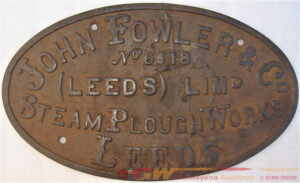
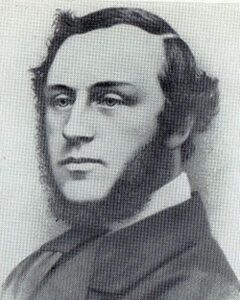
John Fowler is hailed today as an engineering genius. He was a visionary agricultural engineer and inventor. John Fowler & Co. wasn’t just another factory; it was an engine of the agricultural and industrial revolutions, a name synonymous with power, reliability, and ground-breaking engineering. He is credited with the invention of the steam-driven ploughing engines. He was born in Wiltshire in 1826 into a wealthy Quaker family. Despite his father’s wishes to go into the corn business Fowler followed his heart and became an engineer, joining railway manufacturers Gilkes Wilson & Co of Middlesborough. He later founded his own company, John Fowler & Co, in1863, based in Hunslet in Leeds, West Yorkshire where he produced traction engines, ploughing implements and equipment as well as railway equipment. Fowler was a problem-solver obsessed with a single, monumental challenge: how to efficiently drain and cultivate land using steam power. This came about following a visit to Ireland in 1849 where was deeply affected by the impact potato blight had on the country and determined to find a way to mechanise land drainage to improve agricultural production. At the time, farming was incredibly labour-intensive and relied on horses. Fowler believed mechanisation was the key to feeding a growing nation. In 1850, Fowler presented the first model of his plough, which moved on special rollers and required much less effort. This invention received a silver medal at the Royal Agricultural Society of England exhibition in Exeter and was named “perhaps the most important exhibit of the exhibition.” A year later, Fowler introduced a new version of the plough, which also received a silver medal from the Royal Agricultural Society of England. Fowler, however, did not stop there. He had a new, rather ambitious idea for those times – to completely replace horses with steam power. Fowler went on to achieve this and thus was born the steam ploughing engine which revolutionised agriculture and made the Fowler name famous worldwide. This was his masterpiece. Instead of a single, heavy tractor driving over the field which compacted the soil, Fowler perfected a system using two stationary engines, one at each end of the field. A heavy-duty steel cable would pull a multi-furrow plough back and forth between them. It was incredibly efficient, powerful, and revolutionised large-scale agriculture across the globe. It showed vastly improved results with heavy soil and difficult terrain, both of which were challenges to horses.
Next chapter - The Fowler double steam ploughing system →